The Best Grilled Chicken Thigh Recipes for Every Occasion
When you fire up your outdoor cooker, choosing the right cut of meat is key. Many home cooks love dark meat because it stays incredibly moist even over high heat. This makes it perfect for your next backyard feast.
Whether you’re planning a quick weeknight meal or a big weekend gathering, these versatile options are a hit. You can turn simple ingredients into a gourmet feast that pleases everyone at your table.
We’ve collected the top grilled chicken thigh recipes to help you master the flame. By using these proven techniques, you’ll get perfectly charred and tasty results every time. Get ready to take your outdoor cooking to a new level.
Table of Contents
Key Takeaways
- Dark meat offers superior moisture retention compared to breast meat.
- High-heat cooking creates a delicious, crispy exterior texture.
- These preparation methods work well for both casual and formal events.
- Proper seasoning enhances the natural savory profile of the meat.
- Consistent heat management ensures safe and even cooking throughout.
Mastering the Art of Grilled Chicken Thigh Recipes
Many home cooks struggle with dry meat. The secret to success is choosing the right cut for the flame. Grilled chicken thigh recipes are forgiving, unlike leaner options. Understanding meat biology and grill physics helps you achieve top-notch results at home.
Why Chicken Thighs Are Superior for Grilling
Chicken thighs have more fat than breasts, which protects them from intense heat. This internal marbling keeps the meat juicy, even if it’s grilled a bit too long. Their resilience makes them perfect for bold spices and glazes.
The thigh muscle structure also helps it handle high heat without drying out. This makes them great for experimenting with grilled chicken thigh recipes. The skin, when cooked right, adds a nice crunch that enhances the meal.
Understanding Heat Zones for Perfect Results
To get professional results, you need to manage your grill’s temperature zones. A two-zone setup has coals or burners on one side for high heat, and the other side is empty for indirect cooking. This way, you can sear the outside for flavor and then cook the inside safely.
Indirect heat prevents the outside from burning before the inside is cooked. This is key for thicker cuts or bone-in pieces that take longer to cook. Learning to use these zones will boost your confidence in making any grilled chicken thigh recipes perfectly.
| Feature | Chicken Thighs | Chicken Breasts |
|---|---|---|
| Fat Content | High (Moist) | Low (Lean) |
| Cooking Speed | Moderate | Fast |
| Forgiveness | High | Low |
| Best Heat Method | Direct & Indirect | Direct |
Essential Equipment for Your Grilling Setup
Creating a solid outdoor cooking station begins with picking the right tools. The right gear makes cooking safe, efficient, and fun from start to finish. Quality tools help you control heat and improve your cooking results.
Choosing Between Charcoal and Gas Grills
The choice between charcoal and gas grills is about flavor and convenience. Charcoal grills give that smoky taste many love. They take longer to start and manage, but add unmatched flavor to chicken thighs.
Gas grills, on the other hand, are fast and precise. They heat up quickly, perfect for quick weeknight dinners. Many gas grills also have sear stations for a great crust on chicken.
Must-Have Tools for Handling Poultry
After picking your grill, you need the right tools for handling meat. A pair of long-handled stainless steel tongs is key for flipping chicken safely. These tongs help move bone-in pieces without damaging the skin.
Keep a good silicone basting brush for glazes or marinades. It prevents cross-contamination and ensures even flavor. Always have clean tools ready to avoid spreading bacteria.
| Feature | Charcoal Grill | Gas Grill |
|---|---|---|
| Heat-up Time | 20-30 Minutes | 5-10 Minutes |
| Flavor Profile | Deep, Smoky | Clean, Neutral |
| Temperature Control | Manual/Vents | Knob Adjustment |
| Maintenance | Ash Removal | Grill Brush/Cleaning |
The Science of the Perfect Marinade for Grilled Chicken Thighs
A great marinade for grilled chicken thighs needs a balance of three key parts. Knowing how these parts work together lets you make your own flavors for grilled chicken recipes.
Balancing Acid, Fat, and Aromatics
The secret to a great marinade is the mix of different chemicals. Each part does a special job to get the meat ready for grilling.
- Acids: Ingredients like lemon juice, vinegar, or yogurt make the meat tender by breaking down tough proteins.
- Fats: Olive oil or avocado oil carries flavors and keeps the meat moist while cooking.
- Aromatics: Garlic, herbs, and spices add deep, complex flavors to your dish.
Try to keep a balance so the acid tenderizes the meat but doesn’t make it mushy. A good rule is three parts oil to one part acid. This keeps the marinade effective and balanced.
How Long to Marinate for Maximum Flavor
How long you marinate is as important as what you use. Marinating too long can make the chicken tough or stringy.
For the best taste, marinate for two to four hours in the fridge. This lets the flavors soak into the meat without losing its texture.
When trying new recipes, remember these marinating times:
| Marinade Type | Minimum Time | Maximum Time |
|---|---|---|
| Citrus-Based | 1 Hour | 4 Hours |
| Yogurt-Based | 2 Hours | 8 Hours |
| Oil and Herb | 4 Hours | 24 Hours |
Always keep the chicken covered and cold while it marinates. This keeps it safe and lets the flavors develop perfectly before grilling.
Techniques for How to Grill Chicken Thighs Like a Pro
Professional chefs know the secret to perfect poultry is in the prep work. Learning how to grill chicken thighs with precision turns a simple meal into a masterpiece. The key is in the initial setup.
Preparing the Meat for Even Cooking
Even thickness is the base of a perfectly cooked thigh. Trim excess fat but keep a thin layer for moisture. If the thighs are uneven, use a meat mallet to pound the thicker parts.
This step ensures even cooking. Consistency is key to avoid dry edges or undercooked centers. A uniform surface lets heat penetrate evenly, creating a beautiful exterior.
Managing Flare-ups and Temperature Control
Dealing with flare-ups is a common challenge when grilling chicken thighs. Thighs have more fat, which can cause flames. Keep a spray bottle of water ready to control any fire.
Effective temperature control starts with a good grill layout. Here are some tips for better heat management:
- Create a two-zone fire: Have one side hot for searing and the other cooler for indirect cooking.
- Monitor the skin: Move the chicken to the cooler zone if the skin chars too fast.
- Keep the lid closed: This reduces oxygen and prevents flare-ups.
Mastering how to grill chicken thighs takes practice. But with these techniques, you’ll get juicy, flavorful results that impress everyone.
Quick and Easy Grilled Boneless Chicken Thighs for Weeknights
Getting a tasty dinner ready fast is simple. Grilled boneless chicken thighs are perfect for quick meals. They cook quickly and stay moist, great for when you’re in a hurry.
Lemon Herb Glaze for Fast Dinners
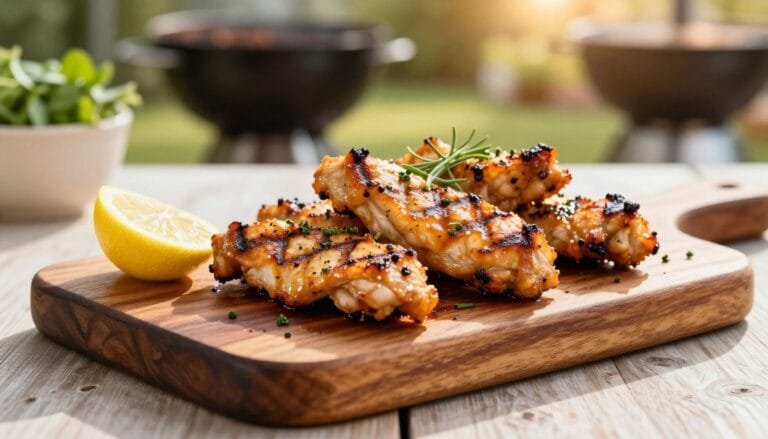
This zesty glaze is quick to make and adds a fresh touch. Mix lemon juice, olive oil, parsley, and honey in a bowl. Brush it on your grilled boneless chicken thighs for the last few minutes to enhance the citrus flavor.
- Prep time: 5 minutes
- Cook time: 10-12 minutes
- Flavor profile: Light, acidic, and aromatic
Spicy Garlic Chili Rub for a Weeknight Kick
For a bold taste, try a dry rub. Mix smoked paprika, garlic powder, chili flakes, and brown sugar. Rub it on the meat before grilling for a deep, caramelized finish.
Boneless thighs are easy to grill and don’t need much watching. You can have a full meal ready in under thirty minutes. Let grilled boneless chicken thighs be your quick fix for weeknight meals.
Bone-In Grilled Chicken Thighs for Weekend Gatherings
Large weekend gatherings need hearty, juicy bone-in chicken thighs. These cuts offer a superior depth of flavor that boneless options can’t match. The bone helps keep the meat moist and adds a rich, complex taste on the grill.
Slow-Grilled Barbecue Style Thighs
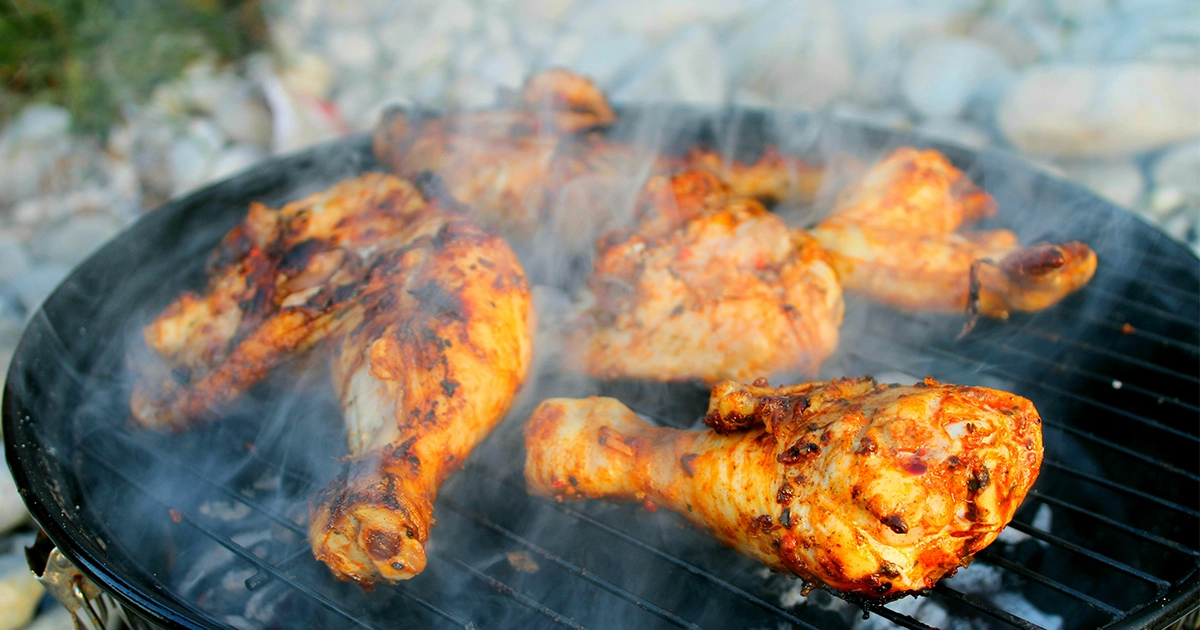
To get that smoky barbecue taste, use low and slow cooking. Start by setting up your grill for indirect heat. Place the chicken away from the flames. This slow cooking breaks down the meat, making it easy to pull off the bone.
“The secret to a perfect barbecue thigh is patience; let the smoke do the heavy lifting while the internal temperature climbs steadily.”
— Pitmaster Pro
Put your favorite barbecue sauce on during the last ten minutes. Glazes with sugar too early can burn the skin. Keep the lid closed to trap the smoke.
Crispy Skin Techniques for Crowd-Pleasing Results
To get crispy skin, manage moisture carefully. Pat the skin dry with paper towels before grilling. Dusting with cornstarch or baking powder helps accelerate the rendering process.
Grill the thighs skin-side down over direct heat for the last few minutes. Watch them closely to avoid flare-ups. This final sear makes the skin delightfully crispy and the meat tender.
| Method | Heat Type | Primary Benefit | Cooking Time |
|---|---|---|---|
| Slow-Smoke | Indirect | Deep Flavor | 45-60 Minutes |
| Direct Sear | Direct | Crispy Skin | 8-10 Minutes |
| Hybrid | Combined | Balanced Texture | 40-50 Minutes |
Global Flavor Profiles to Elevate Your Grill Game
Want to take your grilling to the next level? Explore international seasoning styles. These diverse flavors can turn a simple meal into a memorable experience. You’ll find new favorites among grilled chicken thigh recipes.
Mediterranean-Inspired Oregano and Lemon Marinade
The Mediterranean style uses fresh, bright ingredients. A classic marinade for grilled chicken thighs includes olive oil, lemon juice, and dried oregano. These ingredients tenderize the chicken and add a zesty flavor.
For the best taste, add these to your Mediterranean mix:
- Freshly minced garlic for a savory base.
- A pinch of red pepper flakes for a warm heat.
- Zest of one lemon for a citrusy aroma.
Asian-Style Soy and Ginger Glazed Thighs
For deep, savory flavors, try Asian-inspired recipes. These grilled chicken thigh recipes use umami to create a rich crust. Soy sauce, ginger, and sweetness make a sticky glaze.
When making this marinade for grilled chicken thighs, balance is key. Soy sauce’s saltiness should be balanced by honey or brown sugar. This prevents sugars from burning, giving the chicken a dark color.
Here are tips for a perfect Asian-style glaze:
- Use freshly grated ginger for a sharp taste.
- Add toasted sesame oil at the end for a nutty aroma.
- Brush the glaze on during the last few minutes to avoid charring.
Understanding Chicken Thigh Grill Time and Safety
Getting the timing right on your grill is key for a safe and tasty meal. Many people rely on what they see, but precision is the only way to ensure your food is safe and cooked just right. Knowing the right chicken thigh grill time helps you avoid undercooked or dry meat.
Using a Meat Thermometer for Accuracy
A high-quality digital meat thermometer is your best friend. You should never guess when your chicken is done. The internal temperature is the only sure way to know if it’s safe. Here’s how to use a thermometer to get accurate readings when grilling chicken thighs:
- Put the probe into the thickest part of the thigh, away from the bone.
- Wait for the display to settle before reading the temperature.
- Make sure the internal temperature hits at least 165°F for safety.
- Wash your thermometer probe with hot, soapy water after each use to avoid contamination.
Recognizing the Signs of Perfectly Cooked Poultry
While the thermometer is your main guide, look for other signs too. Cooked chicken should feel firm and have clear juices, not pink. To keep chicken thighs juicy, take them off the heat right when they’re done.
The chicken thigh grill time changes based on the meat’s thickness and the grill’s heat. By using both visual checks and a thermometer, you’ll get better at outdoor cooking. This way, every meal you grill will be safe, flavorful, and perfectly cooked for your guests.
Creative Sides to Pair with Your Grilled Chicken
Choosing the right side dishes can make a simple cookout unforgettable. When you serve chicken thighs, you need sides that balance the richness. The right textures make every bite feel complete and satisfying.
Fresh Summer Salads and Slaws
Cold salads are perfect against the grill’s heat. A vinegar-based coleslaw adds a necessary crunch and a tangy flavor. Try a slaw with lime, cilantro, and honey for a zesty taste.
A Mediterranean cucumber and tomato salad is also refreshing. Fresh herbs like mint or parsley add sweetness. These salads are incredibly easy to prepare while your meat rests.
Grilled Vegetable Medleys for a Complete Meal
Grill your side dishes with your protein for a cohesive meal. Asparagus, bell peppers, and zucchini char well and stay crunchy. Toss them in olive oil and sea salt before grilling.
This simple prep brings out the vegetables’ natural flavors. Use the guide below to pair your chicken with the perfect side dish.
| Chicken Flavor Profile | Recommended Salad | Grilled Vegetable Side |
|---|---|---|
| Lemon Herb | Cucumber & Feta Salad | Charred Asparagus |
| Spicy Garlic Chili | Cool Cabbage Slaw | Grilled Bell Peppers |
| Barbecue Style | Creamy Potato Salad | Roasted Corn on the Cob |
| Soy & Ginger | Sesame Cucumber Salad | Grilled Bok Choy |
Troubleshooting Common Grilling Mistakes
Learning how to grill chicken thighs is rewarding, but mistakes can happen. Wind or fuel changes can affect your results. Stay calm and have tricks ready to keep your dinner great.
Preventing Burnt Skin and Raw Centers
The biggest issue is when the outside burns before the inside is cooked. Use indirect heat by moving chicken to a cooler grill spot once the skin browns. This cooks the meat gently without flare-ups.
If the skin gets too dark, move it to the grill’s edges. Keeping the lid closed helps keep a steady temperature. This prevents the outside from burning while the inside stays raw.
Fixing Dry or Overcooked Chicken
If chicken is overcooked, don’t worry. Brush it with a moistening glaze or barbecue sauce. This adds moisture and covers up any dryness.
Shredding overcooked chicken and mixing it with creamy dressing or salsa works too. This hides the dryness. Knowing how to grill chicken thighs means being ready for any situation.
| Common Problem | Primary Cause | Quick Solution |
|---|---|---|
| Burnt Skin | Excessive direct heat | Move to indirect zone |
| Raw Center | Heat too high | Lower heat and cover |
| Dry Meat | Overcooking | Add sauce or shred |
| Flare-ups | Dripping fat | Trim fat before grilling |
Conclusion
You now have the skills to make delicious chicken thighs. You know how to control heat and check the chicken’s temperature. This ensures every dish is at its best.
Grilling gets easier with practice. You can throw amazing parties or cook tasty meals for your family. Use a meat thermometer to keep food safe and try new flavors.
Try out different rubs, glazes, and wood chips to find your style. Your unique touch will shine on your Weber or Traeger grill. Share your best dishes with friends and keep improving.
Always keep your grill clean and your love for cooking strong. Every time you cook, you get better and make your guests happy. Start your journey to becoming a grill master with your next meal.
FAQ
What is the most effective way to learn how to grill chicken thighs without burning the skin?
To master grilling chicken thighs, use a two-zone grilling method. This technique involves a hot side for searing and a cooler side for indirect cooking. It ensures the inside is cooked to 165°F without burning the outside. This method works best on a Weber Kettle or a Napoleon Gas Grill, where you can control the temperature well.
How long is the typical chicken thigh grill time for bone-in versus boneless cuts?
Grilling times vary for different cuts. Boneless chicken thighs grill in 8 to 12 minutes over direct medium-high heat. Bone-in thighs take longer, about 25 to 35 minutes, to cook the meat near the bone and render the skin perfectly.
What should be included in a basic marinade for grilled chicken thighs to ensure they stay juicy?
A good marinade for grilled chicken thighs needs fat, acid, and aromatics. Use Bertolli Extra Virgin Olive Oil for flavor, lemon juice or Bragg Apple Cider Vinegar for tenderness, and garlic or rosemary for aroma. Marinate for at least 30 minutes but no more than 24 hours to avoid mushiness.
Can I prepare grilled boneless chicken thighs on a weeknight if I am short on time?
Yes, you can. Grilled boneless chicken thighs are quick and easy for weeknights. They cook fast because they don’t have bones. Use a Lodge Cast Iron Grill Press for a great sear in under 15 minutes.
How do I know for certain that my chicken is safe to eat?
Don’t rely on juice color alone. The safest way is with a digital instant-read thermometer, like the ThermoWorks Thermapen. Insert the probe into the thickest part of the thigh, avoiding the bone. When it reads 165°F (74°C), remove it from the heat right away.
How can I prevent flare-ups when cooking fatty chicken thighs?
Trim excess skin and fat before grilling to avoid flare-ups. If a flare-up happens on your Traeger or Big Green Egg, move the chicken to indirect heat and close the lid. Clean grill grates with a Brushtech brush to prevent grease from igniting.
What are some global flavor profiles I can use for my next cookout?
Try an Asian-style glaze with Kikkoman Soy Sauce, ginger, and honey for a savory-sweet taste. Or, rub the thighs with Ziyad Za’atar and dried oregano for a Mediterranean flavor. Both pair well with the rich taste of dark meat.
Why are chicken thighs considered better for the grill than chicken breasts?
Chicken thighs have more fat and connective tissue than breasts. This makes them stay moist and flavorful under the grill’s heat. Breasts can dry out quickly, but thighs are more forgiving, making them great for all grillers.
Have you tried one of our recipes? We’d love to hear what you think!
There are no reviews yet. Be the first one to write one.