Grilled Boneless Chicken Thighs: Tips for Juicy, Flavorful Results
Cooking poultry over an open flame turns a simple meal into a backyard masterpiece. Many prefer grilled boneless chicken thighs because they are forgiving. This makes them perfect for both home cooks and professional chefs.
This cut stays moist even if it’s on the heat a bit longer. Its rich flavor makes it great for any summer event or a quick dinner.
In this guide, we’ll share key techniques to keep your meat succulent and perfectly seasoned. You’ll learn how to manage heat and prep ingredients for the best results every time you grill.
Table of Contents
Key Takeaways
- Understand why this poultry cut is the most forgiving option for beginners.
- Learn the secret to achieving a perfect sear without drying out the meat.
- Discover how proper seasoning enhances the natural richness of the protein.
- Master heat management to prevent flare-ups and uneven cooking.
- Get professional tips for resting your food to lock in maximum juices.
Why Boneless Chicken Thighs Are Perfect for Grilling
Learning how to grill chicken thighs shows why they’re top for outdoor cooking. They stay juicy and full of flavor, unlike lean cuts that dry out. This makes them a go-to for any backyard grill master.
The Science of Fat Content and Moisture Retention
Dark meat’s secret is its fat content. Chicken thighs have more fat than other parts. This fat acts as a natural buffer, keeping the meat moist under heat.
As the meat heats up, this fat melts slowly. It keeps the inside juicy, even if the chicken is on the grill a bit longer. This is why thighs are easier for beginners to grill than leaner meats.
“Dark meat is the chef’s best friend when it comes to high-heat cooking. It possesses the structural integrity to withstand the grill without sacrificing its inherent juiciness.”
Comparing Thighs to Breasts for Grilling Success
Chicken breasts are lean but hard to grill. They lack the fat of thighs and can get tough or stringy if overcooked. You need to watch them closely to keep them tender.
Thighs, on the other hand, are more forgiving. They can handle a bit more time on the grill. Here’s a table showing the main differences for your next meal.
| Feature | Boneless Thighs | Boneless Breasts |
|---|---|---|
| Fat Content | Higher (Rich) | Lower (Lean) |
| Cooking Forgiveness | High | Low |
| Flavor Profile | Robust | Mild |
| Best Heat Level | Medium-High | Medium |
Choosing thighs means you’ll get a consistent and delicious result every time. Knowing these differences is key to grilling chicken thighs like a pro.
Selecting the Best Quality Chicken Thighs
Your journey to a perfect grilled meal starts long before you light the fire. The quality of your ingredients is key to the flavor and texture of your dish. Choosing well ensures a superior dining experience for your guests.
Identifying Freshness at the Butcher Counter
At the butcher, your eyes and nose are your best guides. Look for chicken thighs with a healthy, pinkish hue. The skin should be moist and plump, not dry or shriveled.
When the meat is pre-packaged, touch is crucial. The flesh should feel firm and spring back when pressed lightly. If you smell unpleasant or sour odors, avoid it. These smells mean the meat is old.
Organic Versus Conventional Poultry Options
Choosing between organic and conventional chicken depends on your values and budget. Organic chicken is raised without antibiotics and follows stricter feed standards. Many prefer it for its perceived quality and environmental benefits.
Conventional poultry is a reliable, affordable choice for many. It’s widely available and meets health standards. Fresh meat, whether organic or conventional, can lead to great grilling results.
| Feature | Conventional | Organic |
|---|---|---|
| Antibiotic Use | Permitted | Prohibited |
| Feed Quality | Standard | Certified Organic |
| Price Point | Budget-Friendly | Premium |
| Availability | High | Moderate |
Preparing Your Meat for the Grill
Getting your meat ready right ensures juicy and tasty bites. A little prep time makes your chicken look and taste amazing.
Trimming Excess Fat Without Losing Flavor
Fat is key for moisture, but too much can cause flare-ups. Use a sharp knife to remove excess fat from the edges of the thigh.
Don’t cut too much fat off. The fat inside keeps the chicken tender. A thin layer of fat inside bastes the meat, adding flavor.
The Importance of Uniform Thickness for Even Cooking
Chicken thighs have thick centers and thin edges. If you grill them as is, the thin parts dry out before the center is cooked.
To fix this, pound the thicker parts with a meat mallet between plastic wrap. Or, fold the thin edges under the main thigh for a uniform shape.
This trick makes sure the chicken cooks evenly. You’ll get a perfectly consistent texture everywhere, avoiding tough or overcooked spots.
Mastering the Marinade for Grilled Boneless Chicken Thighs
Turning simple chicken into a gourmet dish begins with a great marinade. This mix adds deep flavors and makes the meat tender. Your grilled boneless chicken thighs will stay juicy while cooking.
Balancing Acid, Oil, and Aromatics
Creating a balanced marinade is key. Acid softens the meat, oil keeps it moist, and aromatics add flavor.
Here’s a simple ratio to follow:
- Acid: 1 part (lemon juice, vinegar, or yogurt)
- Oil: 3 parts (olive oil or avocado oil)
- Aromatics: Fresh herbs, garlic, or spices to taste
Recommended Marinating Times for Optimal Texture
Marinating time is crucial for marinade for grilled chicken thighs. For the best taste, marinate for at least two hours. Four to six hours is even better.
If you’re short on time, thirty minutes can still enhance the flavor. But, patience leads to a more complex and delicious dish.
Why Over-Marinating Can Ruin Your Chicken
Marinating is good, but don’t overdo it. Acid can make the chicken mushy or lose its shape.
Too much acid can cause the meat to fall apart on the grill. Stick to the recommended times for a firm yet tender texture.
Essential Tools for Grilling Success
Mastering the grill starts with the right tools. High-quality equipment gives you control and safety over the open flame. With the right gear, you can focus on getting that perfect sear.
Choosing the Right Grill Tongs and Spatulas
Boneless chicken thighs need a gentle touch. Look for long-handled tongs that grip well without piercing the meat. This keeps juices inside, preventing dry chicken.
A sturdy, wide spatula is also key. It helps you flip the chicken smoothly, without tearing it. When shopping, look for these features:
- Long handles: Keep your hands safe from the heat.
- Heat-resistant materials: Stainless steel or high-grade silicone are best.
- Locking mechanisms: They make storage easier and keep tools organized.
- Ergonomic grips: Handles should feel comfortable in your hand during long cooking.
Using Digital Meat Thermometers for Accuracy
Visual cues aren’t always reliable for cooking poultry. A digital meat thermometer is the only way to ensure your chicken is safe and juicy. It takes the guesswork out of cooking.
Put the probe into the thickest part of the thigh for an accurate reading. This ensures the meat reaches the safe internal temperature. Using this device prevents overcooking, which makes chicken dry and rubbery.
Setting Up Your Grill for Success
Learning how to grill chicken thighs starts with your heat source. Whether you like gas or charcoal, knowing your grill is key to success.
Gas Versus Charcoal Grilling Techniques
Gas grills are great for their unmatched precision and speed. They heat up fast, making it easy to keep the temperature steady. This is perfect for beginners who want to focus on technique.
Charcoal grills, on the other hand, give a smoky flavor that many love. They take longer to get going but can produce a better crust. To grill chicken thighs well with charcoal, you need to learn how to control the airflow.
Creating Two-Zone Heat for Controlled Cooking
The best way to cook chicken is with a two-zone heat system. This setup helps you get a crispy outside and a tender inside.
To set this up, follow these steps:
- Direct Heat Zone: Put your coals or turn your burners to high on one side for searing.
- Indirect Heat Zone: Keep the other side off or with low heat for even cooking.
- The Process: Cook your chicken over direct heat to get color, then move it to the indirect side to finish without burning.
This method stops flare-ups and gives you ultimate control for juicy, tasty results every time.
The Art of Seasoning and Rubs
Seasoning your chicken can turn a simple meal into a work of art. By finding the right mix of spices and herbs, you can make your grilled chicken just how you like it. Whether you’re into bold flavors or something light and citrusy, the right seasoning makes all the difference.
Dry Rubs Versus Wet Marinades
Deciding between a dry rub and a marinade depends on the texture you want. Dry rubs give a flavorful, textured crust that gets crispy when grilled. On the other hand, a good marinade for grilled chicken thighs adds moisture and tenderness to the meat.
- Dry Rubs: Best for creating a crispy, charred exterior.
- Wet Marinades: Ideal for adding deep flavor and maintaining juiciness.
- Hybrid Approach: Use a marinade first, then a light dusting of dry rub before cooking.
When to Apply Salt to Prevent Moisture Loss
Timing is key when using salt. Salt too early can pull out juices, leaving your chicken dry. Apply salt right before grilling to keep the meat moist and flavorful.
If you’re using a salt-based marinade for grilled chicken thighs, keep the soak short. This prevents the chicken from becoming too salty. After soaking, pat the chicken dry with a paper towel. This helps it sear better on the grill grates.
Understanding Chicken Thigh Grill Time and Temperature
Learning the right chicken thigh grill time is key to cooking like a pro at home. Instead of just looking at the chicken, use a digital thermometer for better results. This way, your grilled boneless chicken thighs will be safe and juicy.
Target Internal Temperatures for Food Safety
The USDA says chicken should be 165°F inside. But, thighs have more connective tissue, so chefs often cook them to 175°F. This makes the meat tender and juicy.
Put your probe in the thickest part of the meat for a true reading. Don’t touch the bone with bone-in cuts. Consistency is the key to avoiding dry meat.
Managing Flare-ups to Prevent Charring
Flare-ups happen when fat drips onto hot coals. They can char your food and make it taste bad. Keep water nearby or move the meat to a cooler spot.
If a flare-up happens, quickly move your grilled boneless chicken thighs to a safer spot. Never leave the grill alone, as flames can spread fast. Closing the lid helps control the fire.
Adjusting Cooking Times Based on Grill Heat
Your chicken thigh grill time changes with the grill’s heat. High heat gives a nice sear but needs constant watching. Medium heat cooks more evenly, perfect for thicker pieces.
| Doneness Level | Internal Temp (°F) | Texture Profile |
|---|---|---|
| Minimum Safety | 165°F | Firm and juicy |
| Optimal Tenderness | 175°F | Very tender and succulent |
| Well Done | 185°F+ | Easily shredded |
Techniques for Achieving the Perfect Sear
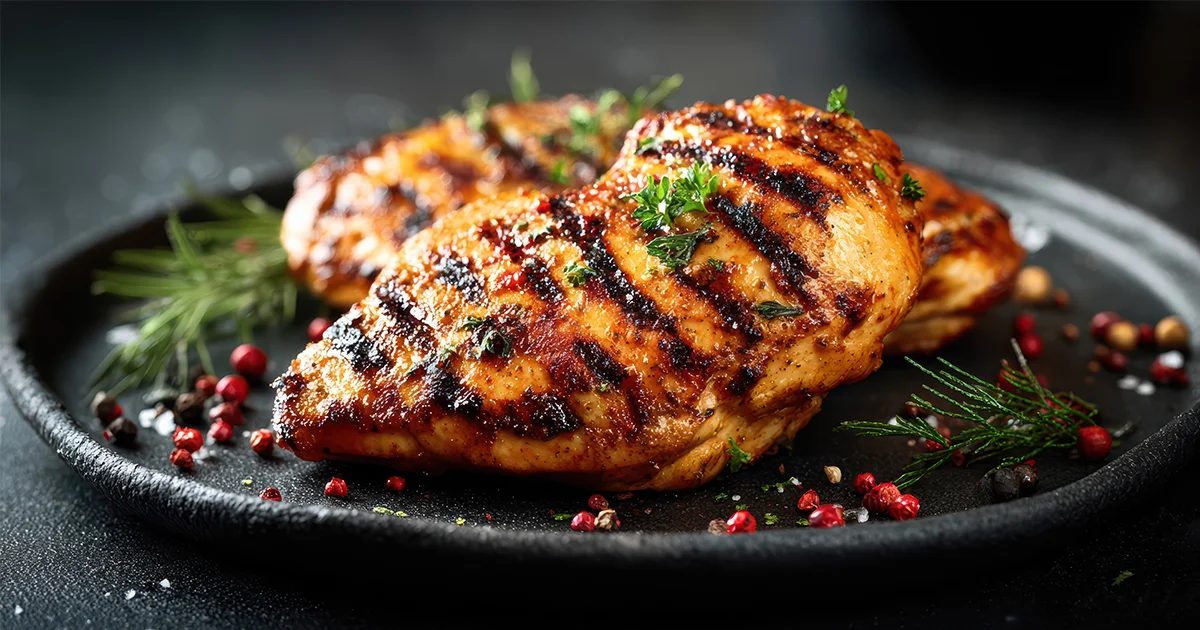
A golden-brown crust turns a simple grilled chicken thigh into a culinary masterpiece. This texture adds a delightful contrast to the tender meat inside. It makes your meal much better. Getting this result needs the right preparation and careful heat control.
Developing a Crispy Exterior Without Burning
The secret to a perfect sear is controlling moisture on the meat’s surface. If the chicken is too wet, it steams instead of browns. Always dry the chicken thighs with paper towels before grilling.
Once dry, follow these key steps for a beautiful finish:
- Maintain consistent heat: Use a medium-high flame for browning without burning.
- Avoid constant flipping: Let the meat form a crust for a few minutes before turning.
- Manage flare-ups: Keep water spray nearby to control sudden flames that could char the skin.
Patience is key during this process. Resist the urge to move the chicken too soon. The proteins need time to bond with heat for that golden color.
The Role of Sugar in Caramelization
Many chefs add a bit of sugar to their dry rubs or marinades to speed up browning. When sugar heats up, it caramelizes. This creates a rich flavor that complements the chicken’s savory taste.
But, be careful with sugar amounts. Sugar burns quickly and can turn bitter if the grill is too hot. Here’s how to use sugar right:
Balance your ingredients: Use brown sugar or honey sparingly for a hint of sweetness. If using store-bought sauce, apply it just before cooking ends. This way, your chicken gets a perfectly caramelized finish every time.
Resting Your Chicken for Maximum Juiciness
After your chicken thighs hit the perfect internal temperature, a short wait is key to keep the flavor in. Many cooks rush to serve their meal hot. But, patience in this last step makes a great dish unforgettable.
Why Resting Prevents Juice Loss
High heat makes meat fibers contract, pushing moisture to the center. Slicing into the chicken right away lets these juices spill out. This leaves your meat dry and stringy, lacking the succulent texture you aimed for.
Resting lets the fibers relax and soak up the moisture again. As the meat cools, juices spread out evenly. This makes every bite tender and full of flavor, from start to finish.
How Long to Let Your Chicken Sit Before Serving
The rest time varies with chicken size and thickness. For most boneless cuts, a few minutes is enough. Aim for at least five minutes to let the juices settle.
Don’t cover the chicken too tightly with foil, as it can make the skin soggy. Instead, use loose foil to keep it warm without losing texture. Here’s a quick guide on how resting affects your meal.
| Resting Duration | Moisture Retention | Texture Quality |
|---|---|---|
| 0 Minutes | Low | Dry and Stringy |
| 5 Minutes | High | Tender and Succulent |
| 10+ Minutes | Maximum | Optimal Tenderness |
Creative Serving Suggestions and Pairings
After grilling, your chicken becomes a base for many creative dishes. By trying different grilled chicken thigh recipes, you can turn a simple meal into a special dining experience. It shows off your cooking skills.
Pairing Grilled Thighs with Fresh Summer Salads
The dark meat of chicken goes well with the bright flavors of summer veggies. Pair it with a crisp arugula salad and a lemon vinaigrette for a perfect balance.
Add shaved fennel, radishes, or cherry tomatoes for a refreshing crunch. These vibrant ingredients balance the savory chicken, making the dish feel light yet fulfilling.
Incorporating Leftover Chicken into New Meals
Having extra meat means you can make quick lunches or dinners. Using leftovers keeps your menu fresh and saves time.
Here are some ideas for using leftovers:
- Shred the meat for tacos or hearty grain bowls.
- Toss cold slices into a pasta salad with pesto and pine nuts.
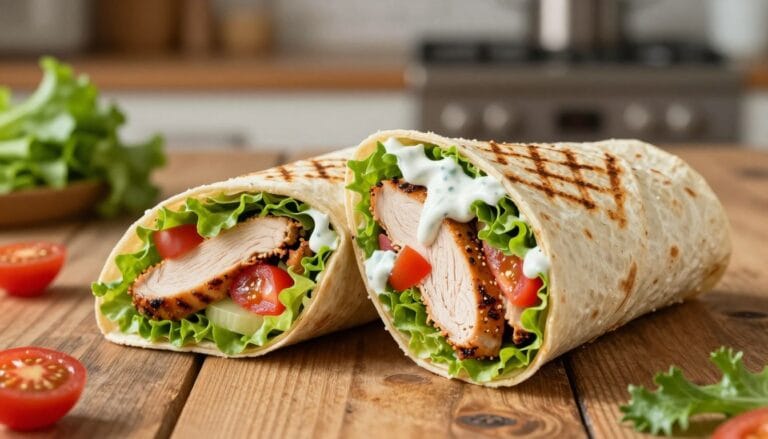
- Fold the chicken into a warm wrap with hummus and fresh herbs.
Having a few grilled chicken thigh recipes ready can turn last night’s dinner into a new meal. It saves you time and keeps your food delicious.
Conclusion
Mastering the grill takes practice, but the results are worth it. You now know how to make restaurant-quality meals in your backyard.
Using quality ingredients and controlling the temperature is key. This ensures your meals are always delicious and juicy. You’ll impress your guests every time.
It’s time to try new grilled chicken thigh recipes. These dishes offer endless flavor and presentation options. You can mix and match spices and marinades to your liking.
Outdoor cooking with friends and family is a joy. Your hard work will make every meal special. Start planning your next cookout and try out exciting grilled chicken thigh recipes today.
FAQ
Why are boneless chicken thighs preferred over chicken breasts for high-heat grilling?
Chicken thighs have more fat content than chicken breasts. This fat helps keep the meat succulent and flavorful even when grilled at high heat. It’s a natural advantage that makes thighs better for grilling.
How can I identify the highest quality poultry at the grocery store?
Look for meat that’s a healthy pink color and feels firm. Avoid any meat with a bad smell or too much liquid. Choosing organic poultry means it’s free from antibiotics, which many chefs prefer for a cleaner taste.
What is the most effective marinade for grilled chicken thighs?
A good marinade for chicken thighs needs acid, oil, and aromatics. Use vinegar or lemon juice for tenderness, and olive oil for flavor. Marinate for 30 minutes to 4 hours for the best taste and texture.
How to grill chicken thighs to ensure they cook evenly?
To grill chicken thighs evenly, make sure they’re the same thickness. Use a meat mallet to pound the thicker parts. Also, use a two-zone heat system on your Weber grill to sear and finish the meat right.
What is the typical chicken thigh grill time and target internal temperature?
Grilling chicken thighs takes about 10 to 12 minutes over medium-high heat. Always use a digital thermometer, like a ThermoWorks Thermapen, to check the meat reaches 165°F.
Should I use a dry rub or a wet marinade for seasoning?
Both dry rubs and wet marinades work well. Dry rubs create a crispy exterior and deep flavor, while marinades add moisture and acidity. Use salt in your rub just before grilling to avoid drying out the meat.
How do I prevent flare-ups and charring while cooking?
To avoid flare-ups, manage the fat drippings from the thighs. Keep a “cool zone” on your grill to move the chicken if needed. Also, trim excess fat before grilling.
Why is resting the meat a necessary step before serving?
Resting the chicken for 5 to 10 minutes is key. It lets the juices redistribute, making the meat juicier. Cutting into the meat too soon will let the juices out, making it dry.
What are some creative ways to use leftover grilled chicken?
Use leftover grilled chicken in many ways. Top a summer salad, fill tacos, or add to a grain bowl. It’s moist, so it reheats well, making it great for meal prep.
Have you tried one of our recipes? We’d love to hear what you think!
There are no reviews yet. Be the first one to write one.