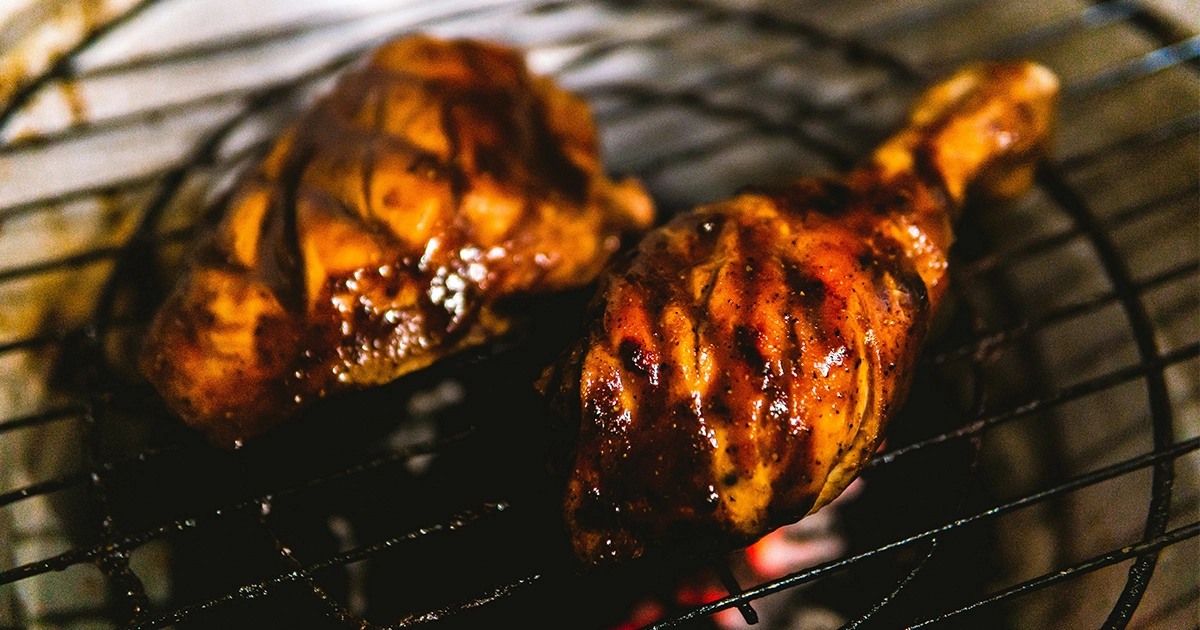
How to Grill Chicken Thighs: A Complete Beginner’s Guide
Learning to cook outdoors starts with the right protein. Many people choose dark meat because it stays moist and flavorful even when cooked over high heat. This guide will help you become confident for your next outdoor cooking event.
We make complex cooking steps easy to follow. You’ll learn how to manage heat and season your chicken. These tips will turn simple chicken into a gourmet dish. Follow these steps for delicious results every time.
Get ready to impress your friends and family. They’ll love the perfectly charred skin and tender chicken you make.
Table of Contents
Key Takeaways
- Dark meat offers more forgiveness than breast meat during high-heat cooking.
- Proper heat management prevents flare-ups and ensures even internal temperatures.
- Seasoning early allows flavors to penetrate deep into the muscle fibers.
- Resting the meat after cooking locks in natural juices for better texture.
- Simple preparation methods yield professional results for any skill level.
Why Chicken Thighs Are Perfect for the Grill
Many home cooks struggle with dry poultry, but chicken thighs offer a foolproof solution for your next barbecue. Unlike leaner cuts that dry out quickly, these pieces remain succulent even if they stay on the heat a few minutes too long. This reliability makes them the ideal choice for anyone looking to build confidence at the grill.
Understanding the Fat Content and Flavor Profile
The secret to this cut lies in its natural composition. Chicken thighs contain a higher fat content than breasts, which allows the meat to self-baste as it cooks over an open flame. As the fat renders, it infuses the muscle fibers with moisture and a deep, savory flavor that stands up well to intense heat.
“The beauty of dark meat is its resilience; it is almost impossible to overcook a thigh to the point of being inedible, making it the most forgiving cut for the backyard chef.”
— Culinary Grilling Expert
Because of this rich profile, thighs pair beautifully with bold rubs and heavy glazes. You do not have to worry about the meat losing its character when exposed to charcoal smoke or high-temperature gas burners. This robust nature ensures that every bite remains tender and flavorful.
Comparing Boneless vs. Bone-in Thighs
Choosing between bone-in and boneless varieties depends on your specific goals for the meal. Bone-in thighs provide a more traditional presentation and often retain more moisture due to the bone acting as a heat sink. However, they require a longer cooking time to ensure the center reaches a safe temperature.
Boneless thighs offer convenience and speed, making them perfect for quick weeknight dinners. They cook evenly and are much easier to slice for salads or tacos. Use the following guide to decide which style fits your needs:
| Feature | Bone-in Thighs | Boneless Thighs |
|---|---|---|
| Cooking Speed | Slower | Faster |
| Moisture Level | Very High | High |
| Best Use | Slow Grilling | Quick Searing |
| Ease of Prep | Simple | Very Simple |
Essential Ingredients for Your Grilling Success
Your journey to the perfect grilled chicken thigh starts with the ingredients you pick. Success on the grill comes from fresh, high-quality components that can handle high heat well. Having the right pantry staples means every meal is full of deep, balanced flavor.
The Master Ingredient Table
Organizing your supplies by function helps achieve consistent results. Below is a table of essential ingredients for your next cookout, covering fats to aromatics.
| Category | Ingredient | Purpose | Heat Tolerance |
|---|---|---|---|
| Cooking Fat | Avocado Oil | Prevents sticking | High |
| Acid | Apple Cider Vinegar | Tenderizes meat | Low |
| Aromatic | Garlic Powder | Adds depth | Medium |
| Seasoning | Kosher Salt | Enhances flavor | High |
Selecting High-Quality Poultry
The quality of your chicken is as crucial as the spices you use. Choose meat that looks plump and firm with a clean, pinkish color. Stay away from packages with too much liquid, as it might mean the chicken was frozen or handled poorly.
Opt for organic or pasture-raised options if you can. These chickens tend to have better fat distribution, keeping the meat moist under the grill’s heat. Always check the “sell-by” date to get the freshest product for your dishes.
Preparing Your Chicken Thighs for the Heat
Getting that perfect, crispy skin starts before the meat hits the grill. A few extra minutes of prep work can make your chicken both tasty and beautiful. Proper preparation is key to a top-notch grilled chicken experience.
Trimming Excess Fat and Skin
While fat adds flavor, too much can cause flare-ups. Use a sharp knife to trim away excess fat or loose skin. Be careful not to remove too much, as you still need a thin layer of fat to keep the meat juicy.
Make sure each piece of chicken is uniform in shape. This helps them cook evenly on the grill. Removing excess fat and skin gives you better control over the fire and prevents charred, bitter edges.
The Importance of Patting Meat Dry
One often overlooked step in grilling is making sure the meat is dry. Moisture prevents a good sear, leading to steam instead of a golden-brown crust. Use clean paper towels to pat every side of the chicken thighs until they are thoroughly dry.
When the surface is dry, the grill heat can start to caramelize the proteins. This creates a delicious, crispy texture that keeps the chicken’s juices inside. Skipping this step can result in gray, steamed meat instead of the flavorful, charred exterior you want.
Crafting the Perfect Marinade for Grilled Chicken Thighs
Mastering the marinade can unlock deep flavors. A well-balanced soak is key to many grilled chicken thigh recipes that impress. By knowing how ingredients work together, you control the taste.
Balancing Acid, Fat, and Aromatics
A great marinade has acid, fat, and aromatics in the right mix. Acid tenderizes the meat, fat brings flavor inside, and aromatics give the dish its scent and taste.
To make your own marinade for grilled chicken thighs, start with these basics:
- Acids: Lemon juice, apple cider vinegar, or yogurt to break down proteins.
- Fats: Olive oil or avocado oil to keep the meat moist during high-heat cooking.
- Aromatics: Fresh garlic, ginger, rosemary, or smoked paprika for depth.
- Sweeteners: A touch of honey or brown sugar to encourage a beautiful, caramelized char.
Recommended Marinating Times for Maximum Flavor
Timing is crucial. Too long, and the acid can make the meat mushy. Too short, and the meat might not absorb enough flavor.
Here’s how to keep your grilled chicken thigh recipes just right:
- Quick soak: 30 to 60 minutes for light, surface-level flavor.
- Optimal time: 2 to 4 hours for a balanced infusion of aromatics.
- Maximum limit: Do not exceed 8 hours, especially if using highly acidic ingredients like citrus.
Always marinate in the fridge to keep it safe. A good marinade for grilled chicken thighs will make your cooking stand out.
Mastering How to Grill Chicken Thighs Safely
Grilling chicken thighs well is not just about the meat. You also need to control the grill’s environment. This ensures even cooking and keeps you safe. Learning a few key techniques can help you avoid common mistakes like burnt skin or raw centers.
Setting Up Your Grill for Two-Zone Cooking
Using a two-zone setup is the best way to manage heat. You create a direct heat zone and an indirect heat zone. This can be done by piling charcoal on one side or lighting only half of your gas burners.
Put your chicken over the direct heat to get a crispy sear. When the skin is golden, move it to the indirect side to cook through. This strategic placement helps prevent the outside from burning before the inside is cooked.
Managing Grill Temperature and Flare-ups
Flare-ups happen when fat drips onto hot coals or burner covers. These can ruin your meal with a bad flavor. Trimming excess fat before grilling can help prevent this.
If a flare-up occurs, move your chicken to the cooler, indirect zone right away. Keep the grill lid closed to regulate the internal temperature and starve the flames. Watching your grill closely helps you react fast, keeping your chicken juicy and tasty.
Step-by-Step Grilling Process for Beginners
Learning how to grill chicken thighs is a rewarding skill. It turns simple ingredients into a gourmet meal. Once your grill is ready, the real magic happens as you place the meat over the heat. Follow these steps to ensure your poultry turns out juicy and flavorful every single time.
Placing the Chicken on the Grates
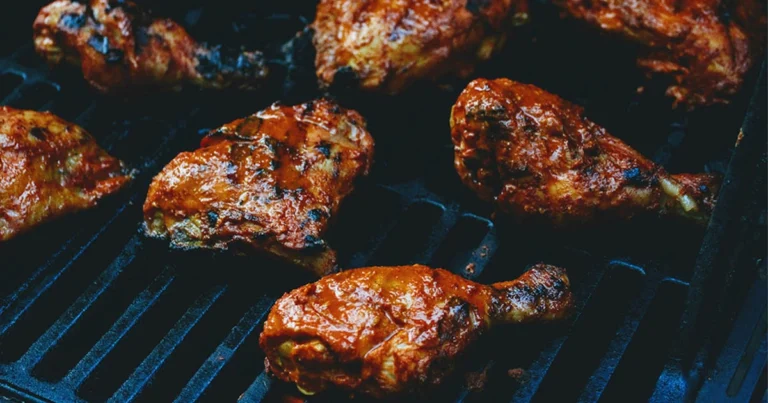
Start by laying your chicken thighs skin-side down over the direct heat zone. This initial contact is crucial for creating those professional-looking grill marks that everyone loves. Avoid moving the pieces for the first few minutes to allow the proteins to sear properly and release naturally from the metal.
If you are wondering how to grill chicken thighs without them sticking, the secret lies in patience. Let the meat develop a firm crust before you attempt to flip it. Once the skin is golden and releases easily, you can move the pieces to the indirect heat side to finish cooking through.
Monitoring Internal Temperatures
Safety is the most important part of the process, so keep your digital thermometer handy at all times. Insert the probe into the thickest part of the thigh, making sure to avoid touching the bone, which can give you a false reading. You want to ensure the meat reaches a safe internal temperature of 165 degrees Fahrenheit.
Checking the temperature regularly prevents the meat from drying out due to overcooking. By tracking the progress, you gain confidence in how to grill chicken thighs to perfection. Consistency is the hallmark of a great backyard chef.
Achieving the Perfect Char Without Burning
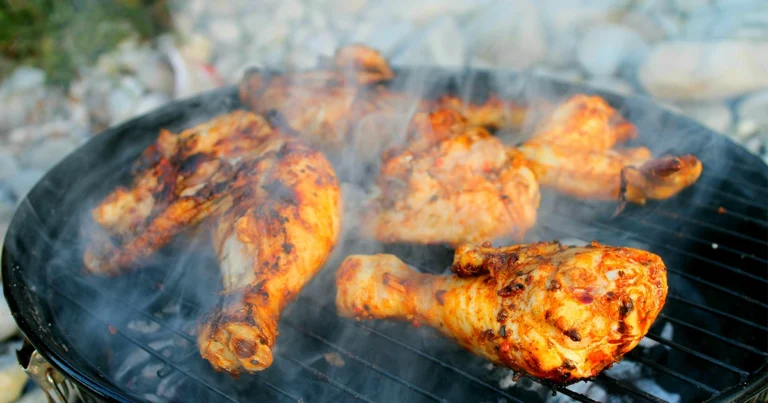
Achieving a beautiful char requires careful management of your grill’s heat zones. If you notice flare-ups caused by dripping fat, move the chicken to the cooler side of the grill immediately. This simple adjustment keeps the skin from turning into bitter, burnt carbon while the inside continues to cook gently.
Keep the lid closed as much as possible to maintain a steady ambient temperature. This creates an oven-like environment that cooks the meat evenly. With these techniques, you will master the balance between a crispy exterior and a succulent, tender interior.
Techniques for Grilled Boneless Chicken Thighs
Learning to grill boneless chicken thighs is a big win for quick, tasty dinners. These cuts cook faster because they don’t have bones. But, they need special care to stay juicy, not dry.
Adjusting Cooking Times for Thinner Cuts
Boneless thighs cook up fast because they’re thin. Watch your grill closely to avoid overcooking. Precision is key with these smaller pieces.
Here’s how to keep them tender:
- Keep the lid closed to keep the heat steady.
- Check the meat’s internal temperature after 4 to 5 minutes per side.
- Take the meat off the grill as soon as it’s safe to eat to stop it from drying out.
Preventing Sticking on the Grill Grates
One big problem is when the meat tears when flipping grilled boneless chicken thighs. This happens because it hasn’t seared yet. Be patient; if it doesn’t lift easily, wait a minute more.
“A clean, well-oiled grate is the secret to a perfect sear. Always brush your grates with a high-smoke point oil before the chicken hits the heat.”
— Professional Pitmaster
Here’s how to make sure it comes off easily:
- Preheat your grill well to make sure the grates are hot enough for a quick sear.
- Lightly oil the grates with a paper towel dipped in oil, held with tongs.
- Don’t move the chicken too soon, as it will naturally release once it’s seared.
Understanding Chicken Thigh Grill Time and Doneness
Learning the right chicken thigh grill time is key to cooking safe, tasty meals. Many start with a timer, but true grill experts focus on the meat’s internal temperature. This method ensures your chicken stays juicy, not dry.
Using a Digital Meat Thermometer
A top-notch digital meat thermometer is crucial for grilling. It gives quick readings, unlike old-school thermometers. Just stick the probe into the thickest part of the thigh, avoiding the bone for accurate results.
This tool helps you track the chicken thigh grill time with ease. It doesn’t matter if it’s windy or the grill is hot. The thermometer guides you through, no matter what.
Why 165 Degrees Fahrenheit Is the Minimum
The USDA says chicken must hit 165 degrees Fahrenheit to be safe. This kills off harmful bacteria. Always check this before taking the chicken off the grill.
Some chefs cook thighs to 175 degrees for extra tenderness. But 165 degrees is the must-have for safety. This ensures your guests get a meal that’s both tasty and safe. Here’s a quick guide on how different chicken parts cook up.
| Chicken Cut | Target Temp (°F) | Texture Profile |
|---|---|---|
| Chicken Breast | 165°F | Lean and firm |
| Chicken Thighs | 165°F – 175°F | Juicy and tender |
| Chicken Wings | 175°F – 185°F | Crispy and rendered |
Resting Your Meat for Juicier Results
The secret to great grilled chicken often lies in what you do after the heat is off. Many beginners want to serve their food right away. But patience is key to your success. Taking a short break before slicing ensures the best texture.
The Science of Juice Redistribution
High heat tightens chicken muscle fibers. This pushes juices to the meat’s center. If you cut it too soon, those juices spill out.
Letting the meat rest allows fibers to relax and expand. This spreads juices evenly. This simple change makes a big difference in taste and texture.
How Long to Let the Chicken Sit
For most chicken thighs, rest for five to ten minutes. This lets the temperature stabilize and moisture settle. Place the chicken on a warm plate or cutting board.
If you’re worried about it cooling too fast, cover it loosely with foil. Don’t wrap it tightly to avoid soggy skin. This essential step ensures juicy bites for everyone.
Common Mistakes to Avoid When Grilling
Even the most experienced grillers can make mistakes that spoil a meal. Understanding how heat and ingredients work on the grill grates is key. Paying attention to these small details helps ensure your chicken thighs are always juicy and full of flavor.
Overcrowding the Grill Surface
One common mistake is putting too many chicken pieces on the grill at once. This blocks the airflow needed for even cooking. As a result, the meat cooks unevenly.
Proper spacing is essential for a good sear. If chicken is touching, it steams instead of browning. Make sure to leave at least an inch of space between each thigh for even heat.
Using Too Much Sugar in Your Rubs
Many rubs have too much sugar, which is bad over high heat. Sugar burns quickly and turns into a bitter, black crust when it hits the flames. This ruins the taste of your chicken.
To avoid this, apply sweet rubs in the last few minutes of cooking. This way, the flavors can caramelize without burning. Here are some simple tips to keep your grilling on track:
- Maintain space: Keep your chicken pieces separated for even heat.
- Watch the heat: Use indirect heat zones if your rub has a lot of sugar.
- Time your seasoning: Glazes or sugary rubs should be applied only at the end.
- Monitor closely: Always watch your grill to prevent flare-ups.
Creative Serving Suggestions and Pairings
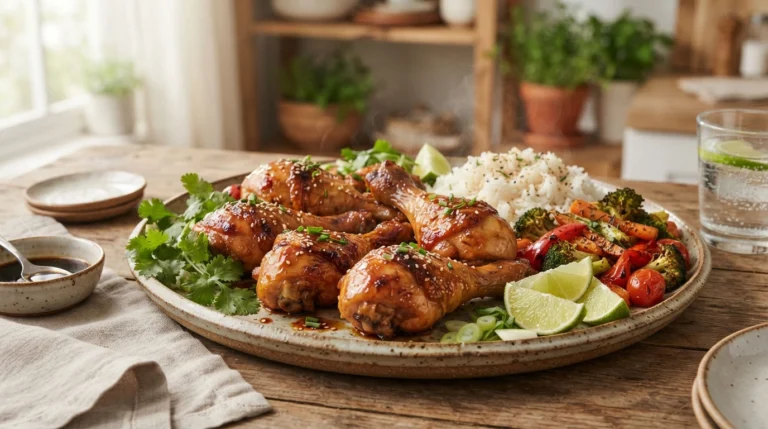
Transforming your grilled chicken into a memorable meal is easy with a few creative touches. Once you’ve mastered the basics, you can explore many grilled chicken thigh recipes. This keeps your menu exciting and fresh all year.
Pairing Grilled Thighs with Seasonal Vegetables
The smoky flavor of grilled meat goes well with the sweetness of seasonal veggies. Choosing veggies at their peak ensures the best taste and texture for your meal.
Here are some colorful combinations to enhance your meal:
- Spring: Serve with charred asparagus spears and a light lemon vinaigrette.
- Summer: Pair with grilled zucchini, bell peppers, and fresh corn on the cob.
- Autumn: Complement the meat with roasted root vegetables like carrots or parsnips.
- Winter: Enjoy alongside sautéed kale or hearty Brussels sprouts with a balsamic glaze.
Transforming Leftovers into New Meals
Cooking extra chicken lets you create new meals for future lunches or dinners. You can effortlessly make new dishes with the leftover meat.
Here are some ideas to make the most of your leftovers:
- Tacos and Wraps: Shred the cold meat and toss it with taco seasoning for a quick weeknight meal.
- Hearty Salads: Slice the thighs over a bed of mixed greens, toasted nuts, and seasonal fruit.
- Grain Bowls: Combine the chicken with quinoa, black beans, and avocado for a nutritious lunch.
- Pasta Toss: Fold chopped pieces into a creamy pesto pasta for a fast, comforting dinner.
These simple tips help you get the most from your grilled chicken thigh recipes. With a bit of creativity, one grilling session can become many delicious meals for your family.
Conclusion
Grilling chicken thighs makes a simple meal into a special event. You now know how to handle heat, flavor, and timing with ease.
Starting your journey to become a pitmaster is easy. Just keep practicing with your Weber or Traeger grill. You’ll learn how meat reacts to different heat levels.
Always have a digital thermometer ready. It helps make sure your chicken is cooked just right. This is key for serving safe and tasty chicken.
Don’t be afraid to try new things. Use different wood chips or spice blends to spice up your dishes. Share your creations with others to make every weekend a celebration of flavors.
Outdoor cooking is full of possibilities. Enjoy the process and the delicious food you make at the grill.
FAQ
What is the average chicken thigh grill time for boneless versus bone-in cuts?
Grilling times for chicken thighs vary. Boneless thighs cook fast, needing 10 to 12 minutes over medium-high heat. Bone-in thighs take longer, about 25 to 35 minutes. Always check with a ThermoWorks Thermapen to ensure the meat is safe to eat.
How long should I let my marinade for grilled chicken thighs penetrate the meat?
For a good marinade, like one with soy sauce and olive oil, marinate for at least 30 minutes. But for better flavor, marinate for 4 to 6 hours in the fridge. Don’t marinate for more than 24 hours to avoid a mushy texture.
Why is it recommended to cook chicken thighs to 175°F instead of the standard 165°F?
Cooking thighs to 175°F or higher is preferred by many chefs. This higher temperature makes the meat tender and juicy. Dark meat with more fat and connective tissue benefits from this higher heat.
What are some of the best grilled chicken thigh recipes for a summer cookout?
Popular recipes include bold flavors like honey-mustard glazes and smoky BBQ sauces. Try a Mediterranean rub with oregano and lime for a unique taste. These flavors are perfect for a summer cookout.
How do I prevent grilled boneless chicken thighs from sticking to the grates?
Start with a clean grill and brush it with oil. Pat the chicken dry before seasoning. This prevents steam from making the chicken stick to the grates.
Is it better to use a gas grill or a charcoal grill for chicken thighs?
Both gas and charcoal grills have their benefits. Gas grills are good for beginners because they control heat well. Charcoal grills offer a smoky flavor that many love. Use a two-zone setup to avoid burning the chicken.
Should I leave the skin on when grilling chicken thighs?
Leaving the skin on keeps the meat moist and adds a crispy texture. For a leaner option, grill boneless thighs without skin. Just watch the grill time to prevent drying out.
Have you tried one of our recipes? We’d love to hear what you think!
There are no reviews yet. Be the first one to write one.