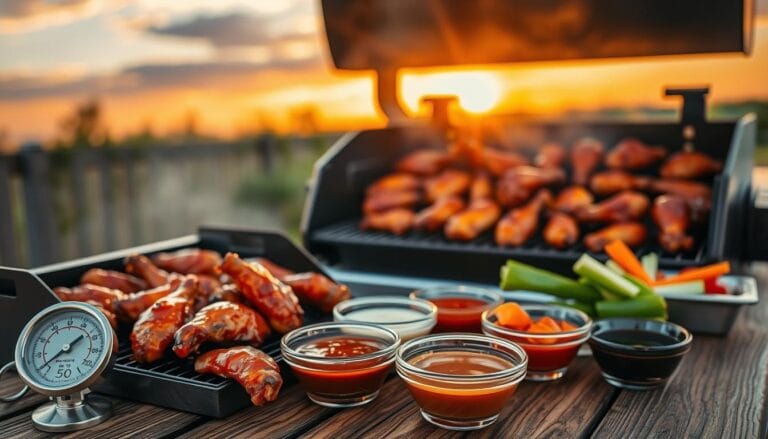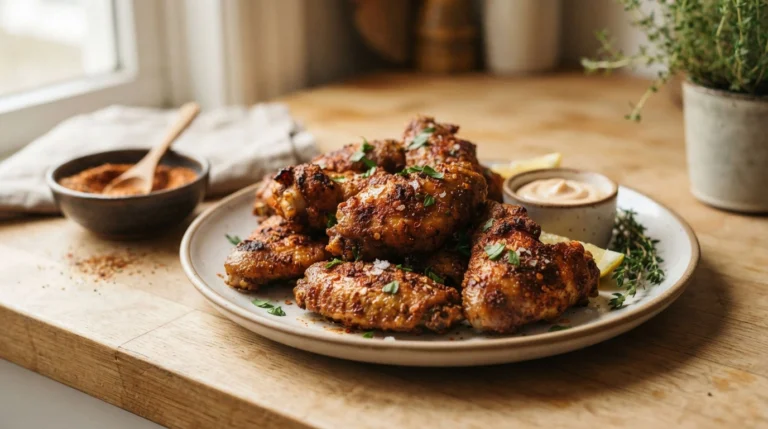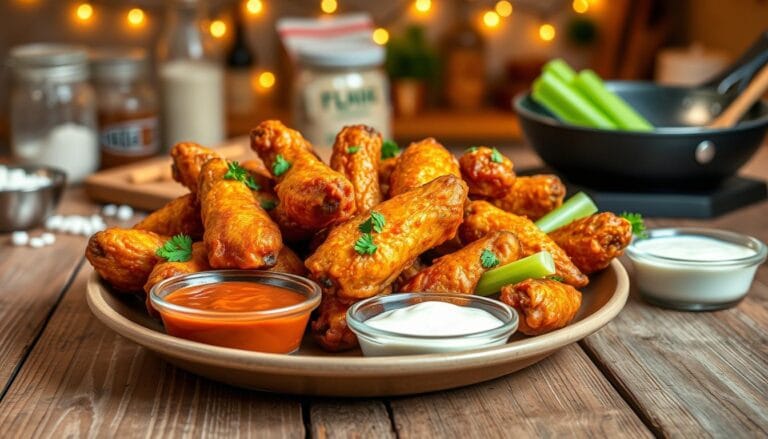
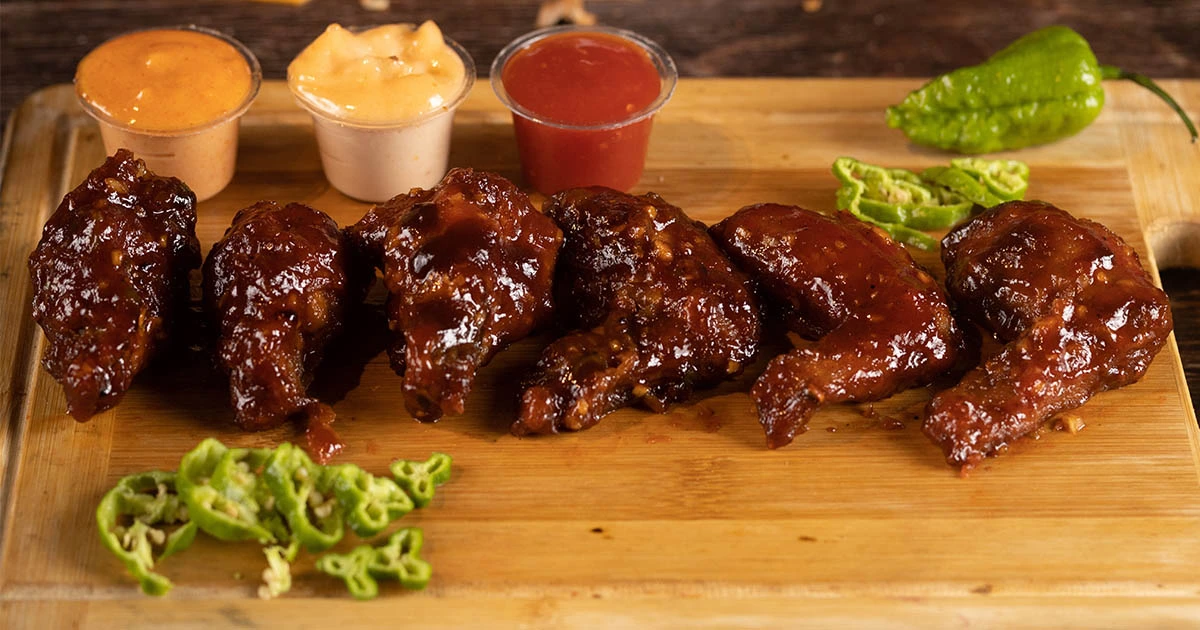
How Long to Smoke Chicken Wings: Easy Time & Temperature Guide
How long to smoke chicken wings depends on your smoker temperature, wing size, and cooking method. At 225°F, chicken wings generally take about 2–2½ hours, while higher temperatures can reduce the cooking time. This guide explains the best temperature and cooking times for tender, flavorful smoked chicken wings.
There’s a reason smoked chicken wings disappear so quickly at cookouts, game-day parties, and family dinners. The rich aroma of hardwood smoke, the crispy bite of perfectly cooked skin, and the juicy meat underneath create a combination that’s hard to resist. Yet many home cooks ask the same question before firing up the smoker: how long to smoke chicken wings?
The answer depends on more than simply setting a timer. Your smoker temperature, the size of the wings, the type of smoker you use, and even the weather can all affect cooking time. Understanding these factors helps you avoid common problems like rubbery skin, dry meat, or undercooked chicken.
The good news is that smoking chicken wings is easier than it looks. Once you know the ideal temperatures and cooking times, you’ll be able to prepare wings that are tender, flavorful, and perfectly cooked every time. Whether you’re using a pellet grill, charcoal smoker, electric smoker, or offset smoker, this guide will walk you through every step of the process.
By the end of this article, you’ll know exactly how long to smoke chicken wings, what temperature to smoke chicken wings, how to achieve crispy skin, and the simple techniques that pitmasters rely on for consistently delicious wings.
Table of Contents
How Long to Smoke Chicken Wings?
If you’re looking for the quick answer, here it is:
- 225°F: 2 to 2½ hours
- 250°F: 1½ to 2 hours
- 275°F: 1¼ to 1½ hours
- 300°F: 60 to 75 minutes
Although time is helpful as a guide, you should always cook chicken wings to their internal temperature rather than relying solely on the clock. The USDA recommends cooking poultry to at least 165°F, but many barbecue enthusiasts prefer smoking wings until they reach 175°F to 185°F. At this higher temperature, the connective tissues break down further, producing meat that’s noticeably more tender while keeping the wings juicy.
Chicken Wing Smoking Time Chart
| Smoker Temperature | Approximate Cook Time | Internal Temperature | Skin Texture |
|---|---|---|---|
| 225°F | 2–2½ hours | 165–175°F | Tender |
| 250°F | 1½–2 hours | 165–175°F | Slightly crispy |
| 275°F | 1¼–1½ hours | 170–180°F | Crispy |
| 300°F | 60–75 minutes | 175–185°F | Extra crispy |
What Can Change the Cooking Time?
Even if you follow these recommendations, several factors can affect how long your wings take to cook.
- Fresh wings generally cook faster than partially frozen ones.
- Larger party wings need more time than smaller wingettes.
- Pellet smokers usually maintain more consistent temperatures than charcoal smokers.
- Frequent lid openings release heat and increase cooking time.
- Windy or cold weather can reduce your smoker’s efficiency.
Keeping these variables in mind helps you plan your cook without stressing over exact minutes.
Why Smoking Time Matters
Smoking chicken wings isn’t simply about reaching a safe internal temperature. The amount of time they spend in the smoker has a direct impact on flavor, texture, and moisture.
Low and Slow Creates Incredible Flavor
Unlike grilling over direct heat, smoking allows the meat to absorb the subtle flavors released by burning hardwood.
As the wings cook slowly:
- Smoke gently penetrates the meat.
- Fat gradually renders.
- The seasoning develops a flavorful crust.
- Moisture stays locked inside.
This combination creates the rich barbecue flavor that can’t be duplicated in a conventional oven.
The Problem With Overcooking
Leaving chicken wings in the smoker too long may seem harmless, but eventually the meat begins to lose moisture.
Overcooked wings often become:
- Dry
- Stringy
- Tough
- Less flavorful
While dark meat is forgiving, wing meat still benefits from careful temperature monitoring.
The Problem With Undercooking
Removing wings too early creates a different set of problems.
Undercooked wings may have:
- Rubbery skin
- Chewy texture
- Poor fat rendering
- Food safety concerns
Instead of watching the clock alone, use an instant-read thermometer to check the thickest part of the wing without touching the bone.
What Temperature to Smoke Chicken Wings
Every pitmaster has a favorite smoking temperature. Fortunately, there isn’t just one correct answer. Each temperature offers different advantages depending on the results you want.
Smoking at 225°F
Smoking at 225°F is the classic “low and slow” barbecue method.
Pros
- Maximum smoke flavor
- Extremely juicy meat
- Excellent for traditional barbecue lovers
Cons
- Longest cooking time
- Skin may remain soft unless finished over high heat
This method is ideal if flavor is your highest priority.
Smoking at 250°F
Many backyard cooks consider 250°F the sweet spot.
You still get excellent smoke flavor while reducing the overall cooking time.
Advantages
- Great smoke penetration
- Reliable cooking
- Better skin texture
- Beginner-friendly
If you’re new to smoking chicken wings, 250°F is one of the easiest temperatures to master.
Smoking at 275°F
If you enjoy crispier skin without sacrificing smoky flavor, increasing the temperature to 275°F is an excellent choice.
Benefits include:
- Faster cooking
- Better fat rendering
- Crispier skin
- Less need to finish over direct heat
Many competition barbecue teams use temperatures close to this range for poultry.
Smoking at 300°F
Smoking at 300°F produces wings with beautifully browned skin while still allowing enough time for smoke flavor to develop.
Advantages include:
- Fastest cooking time
- Crispy skin
- Juicy interior
- Great for weeknight meals
Although the smoke flavor is slightly milder, many families actually prefer this texture.
Temperature Comparison
| Temperature | Smoke Flavor | Cooking Time | Crispy Skin | Best For |
|---|---|---|---|---|
| 225°F | Excellent | Long | Low | Traditional barbecue |
| 250°F | Very Good | Medium | Moderate | Beginners |
| 275°F | Very Good | Medium | High | Balanced results |
| 300°F | Good | Short | Excellent | Crispy wings |
The internal temperature of smoked chicken wings should reach at least 165°F (74°C) for food safety. Use an instant-read thermometer to check the thickest part of the wing without touching the bone. For more tender wings and well-rendered connective tissue, you can cook them to a higher internal temperature.
Ingredients You’ll Need
One of the best things about smoked chicken wings is that they require only a handful of pantry staples.
Basic Smoked Chicken Wings Ingredients
| Ingredient | Amount |
|---|---|
| Chicken wings | 2 pounds |
| Olive oil | 2 tablespoons |
| Paprika | 2 teaspoons |
| Garlic powder | 2 teaspoons |
| Onion powder | 1 teaspoon |
| Kosher salt | 1½ teaspoons |
| Black pepper | 1 teaspoon |
| Brown sugar (optional) | 1 tablespoon |
| Cayenne pepper (optional) | ½ teaspoon |
Optional Sauces
Once your wings are fully cooked, you can enjoy them dry or toss them in your favorite sauce.
Popular options include:
- Buffalo sauce
- Honey BBQ
- Garlic Parmesan
- Honey Garlic
- Sweet Chili
- Teriyaki
- Lemon Pepper Butter
- Nashville Hot
For the crispiest skin, wait until the wings finish cooking before adding sauce.
Equipment You’ll Need
The right equipment makes smoking chicken wings easier and more consistent.
Essential Equipment
Smoker
Almost any smoker works well.
Options include:
- Pellet smoker
- Charcoal smoker
- Electric smoker
- Offset smoker
- Kamado grill
Each produces slightly different smoke flavors, but all can make excellent wings.
Instant-Read Thermometer
This is arguably your most important tool.
Instead of guessing, you’ll know exactly when the wings have reached the ideal internal temperature.
Wire Rack
Using a wire rack improves airflow around the wings, helping them cook more evenly.
Tongs
Long-handled tongs allow you to flip or move wings safely without piercing the meat and losing juices.
How to Smoke Chicken Wings Step by Step
Following a simple process will help you produce consistently flavorful wings every time.
Step 1: Prepare the Wings
Begin by patting the wings dry with paper towels.
Removing surface moisture helps the seasoning stick while encouraging crispier skin during smoking.
Next:
- Trim excess skin if desired.
- Coat lightly with olive oil.
- Apply your dry rub evenly.
- Let the wings rest for 20 to 30 minutes while the smoker heats.
Some cooks even refrigerate seasoned wings uncovered for several hours to dry the skin further, producing even better texture.
Step 2: Preheat the Smoker
Set your smoker to your preferred cooking temperature.
For most home cooks, 250°F to 275°F offers the best combination of smoke flavor, cooking time, and crispy skin.
Allow the smoker to stabilize before adding the wings.
A consistent cooking temperature leads to more predictable results.
Part 2 will continue with:
- Arranging and smoking the wings
- Best wood for smoking chicken wings
- Tips for crispy skin
- Common mistakes to avoid
- Flavor variations
- Serving suggestions
- Storage and reheating
- Expert tips
- FAQ
- Conclusion and call-to-action
Step 3: Arrange the Wings Properly
Once your smoker has reached the desired temperature, place the wings directly on the grill grate or on a wire rack.
Avoid stacking or overcrowding them. Leave about an inch of space between each wing so hot air and smoke can circulate evenly. Good airflow helps the wings cook at the same rate and encourages the skin to brown instead of steaming.
If your smoker has hot spots, rotate the wings halfway through cooking for more even results.
Tips for Better Airflow
- Arrange wings in a single layer.
- Keep thicker drumettes toward the hotter areas if your smoker has uneven heat.
- Resist the urge to constantly move the wings around.
Step 4: Smoke Until the Wings Reach the Right Temperature
At this stage, patience is your best friend.
Keep the smoker closed as much as possible. Every time you lift the lid, heat escapes and cooking time increases.
Use your cooking time as a guide, but rely on an instant-read thermometer for accuracy.
Insert the thermometer into the thickest part of the wing, avoiding the bone.
Your wings are ready when they reach:
- Minimum safe temperature: 165°F
- Best texture: 175°F–185°F
The higher finishing temperature allows the connective tissue to soften, making each bite more tender and juicy.
Step 5: Crisp the Skin
One challenge with smoked chicken wings is achieving crispy skin.
Because smoking uses indirect heat, the skin may remain soft if you don’t finish it properly.
Fortunately, there are several easy solutions.
Option 1: Increase the Smoker Temperature
During the last 10–15 minutes, raise your smoker to 375°F–400°F.
This helps render the remaining fat beneath the skin.
Option 2: Finish on a Hot Grill
Transfer the wings to a preheated gas or charcoal grill for 2–3 minutes per side.
This creates beautiful grill marks while crisping the skin.
Option 3: Broil in the Oven
Place the cooked wings under the broiler for 2–4 minutes.
Watch carefully to prevent burning.
Option 4: Use an Air Fryer
Cook the smoked wings in an air fryer at 400°F for about 4–6 minutes.
This method produces exceptionally crispy skin without drying out the meat.
Best Wood for Smoking Chicken Wings
The type of wood you choose has a noticeable effect on the flavor of your wings.
Since chicken has a naturally mild taste, lighter fruit woods often work best.
Mild Woods
Apple
Apple wood produces a light, slightly sweet smoke that complements nearly every seasoning blend.
It’s an excellent choice for beginners.
Cherry
Cherry adds a mild fruity flavor while giving the wings an attractive golden-red color.
Maple
Maple provides subtle sweetness without overpowering the chicken.
Medium Woods
Pecan
Pecan delivers a rich, nutty smoke that’s stronger than fruit woods but still gentle enough for poultry.
Oak
Oak offers balanced smoke flavor and pairs well with almost any dry rub or sauce.
Strong Woods
Hickory
Hickory creates the classic Southern barbecue flavor.
Use it moderately, as too much smoke can overwhelm chicken.
Mesquite
Mesquite has an intense, earthy flavor.
It’s best mixed with milder woods instead of being used alone.
Wood Flavor Comparison
| Wood Type | Smoke Flavor | Best For |
|---|---|---|
| Apple | Mild & Sweet | Classic smoked wings |
| Cherry | Fruity | Buffalo wings |
| Maple | Sweet | Honey BBQ |
| Pecan | Rich & Nutty | Dry rub recipes |
| Oak | Balanced | All-purpose smoking |
| Hickory | Bold | Traditional barbecue |
| Mesquite | Strong | Small amounts for bold flavor |
Tips for Crispy Smoked Chicken Wings
If crispy skin is your goal, these simple techniques make a big difference.
Dry the Wings Thoroughly
Moisture is the enemy of crispy skin.
Pat the wings dry with paper towels before seasoning.
Even better, refrigerate them uncovered for several hours or overnight.
Add Baking Powder
A small amount of aluminum-free baking powder mixed into your dry rub helps the skin brown and crisp.
Use about 1 teaspoon per pound of wings.
Avoid using baking soda, which can leave an unpleasant taste.
Smoke at Slightly Higher Temperatures
Cooking between 275°F and 300°F encourages the fat beneath the skin to render more effectively.
Finish with High Heat
Whether you choose the grill, oven broiler, or air fryer, a short burst of high heat creates the crisp texture many people expect from chicken wings.
Sauce After Smoking
Adding sauce before smoking often softens the skin.
Instead:
- Smoke the wings.
- Crisp the skin.
- Toss them in sauce immediately before serving.
Common Mistakes to Avoid
Even experienced cooks occasionally make mistakes.
Knowing what to avoid helps ensure consistent results.
Smoking at Too Low a Temperature
Very low temperatures can leave the skin rubbery.
Skipping the Thermometer
Never guess when chicken is done.
Always verify the internal temperature.
Overcrowding the Smoker
Crowded wings steam instead of smoke.
Leave room between each piece.
Opening the Lid Too Often
Every peek releases heat and extends cooking time.
Using Too Much Wood
More smoke doesn’t always mean better flavor.
A clean, light stream of smoke produces the best results.
Cooking Only by Time
Every smoker behaves differently.
Internal temperature is always more reliable than minutes alone.
Flavor Variations to Try
One of the best things about smoked chicken wings is how easily you can customize them.
Classic BBQ
Finish with your favorite smoky barbecue sauce.
Buffalo Wings
Toss the hot wings in melted butter and Buffalo sauce.
Serve with celery and ranch or blue cheese dressing.
Garlic Parmesan
Coat the wings in melted butter, garlic, Parmesan cheese, and chopped parsley.
Cajun
Use a bold Cajun seasoning blend for a spicy Southern-inspired flavor.
Honey BBQ
Combine sweet honey with smoky barbecue sauce for a crowd-pleasing finish.
Asian-Inspired Sticky Wings
Brush the wings with a glaze made from soy sauce, honey, garlic, ginger, and sesame oil.
Sprinkle with sesame seeds before serving.
What to Serve with Smoked Chicken Wings
Turn your wings into a complete meal with delicious side dishes.
Popular options include:
- Creamy coleslaw
- Mac and cheese
- Potato salad
- Cornbread
- Baked beans
- French fries
- Sweet potato fries
- Grilled corn on the cob
- Pickles
Favorite Dipping Sauces
- Ranch dressing
- Blue cheese dressing
- Honey mustard
- Barbecue sauce
- Chipotle mayo
- Garlic aioli
Storage and Reheating Tips
If you have leftovers, proper storage keeps your wings tasting great.
Refrigerating
Store cooled wings in an airtight container for up to 4 days.
Freezing
Freeze cooked wings for up to 3 months.
Wrap them tightly to prevent freezer burn.
Best Ways to Reheat
Oven
Bake at 375°F for about 15 minutes.
Air Fryer
Cook at 375°F for 5–7 minutes.
Smoker
Reheat at 250°F until warmed through.
The microwave works in a pinch, but it softens the skin.
Expert Tips for Perfect Smoked Chicken Wings Every Time
If you want consistently impressive results, keep these tips in mind:
- Always cook to internal temperature, not just time.
- Let the wings rest for 5 minutes before serving.
- Season generously for maximum flavor.
- Experiment with different wood combinations.
- Keep the smoker temperature as steady as possible.
- Cook extra wings—they disappear quickly.
- Use fresh, quality chicken whenever possible.
- Don’t be afraid to test new sauces and dry rubs.
Frequently Asked Questions About How Long to Smoke Chicken Wings
How long to smoke chicken wings at 225°F?
Plan for 2 to 2½ hours, depending on wing size and your smoker. Always check that the internal temperature reaches at least 165°F, with 175°F–185°F providing the best texture.
How long to smoke chicken wings at 250°F?
Most wings finish in 1½ to 2 hours at 250°F.
How long to smoke chicken wings at 275°F?
At 275°F, chicken wings usually cook in 75 to 90 minutes, making this one of the most popular smoking temperatures.
How long to smoke chicken wings at 300°F?
Expect cooking times of about 60 to 75 minutes.
How Long to Smoke Chicken Wings at 350°F?
Chicken wings typically take about 40–60 minutes to smoke at 350°F, depending on their size and your smoker’s temperature. Turn or rotate the wings halfway through cooking for more even browning and crispier skin. Always check the thickest part with a meat thermometer and make sure the wings reach at least 165°F (74°C) before serving.
How do you know when smoked chicken wings are done?
The safest method is using an instant-read thermometer. The wings should reach at least 165°F, although many cooks prefer removing them between 175°F and 185°F for more tender meat.
Can you smoke frozen chicken wings?
It’s best to thaw the wings completely before smoking. Thawed wings cook more evenly, absorb smoke better, and develop crispier skin.
Should you flip chicken wings while smoking?
Flipping isn’t required, but turning them once halfway through the cook can promote more even browning, especially if your smoker has hotter areas.
Why are my smoked chicken wings rubbery?
Rubbery skin usually happens when:
- The cooking temperature is too low.
- The wings weren’t dried before seasoning.
- They weren’t finished over higher heat.
How can you make smoked chicken wings extra crispy?
Dry the wings thoroughly, add a little baking powder to the seasoning, smoke at 275°F–300°F, and finish with high heat before serving.
Conclusion
Learning how long to smoke chicken wings is about more than watching the clock—it’s about understanding how temperature, airflow, and cooking techniques work together to create outstanding results. While cooking times vary depending on your smoker and the size of the wings, checking the internal temperature ensures they come out safe, juicy, and full of flavor every time.
Whether you prefer a low-and-slow cook at 225°F for deep smoky flavor or a faster smoke at 300°F for crispier skin, you now have the knowledge to adjust your approach with confidence. Pair your wings with your favorite wood, experiment with different dry rubs and sauces, and don’t be afraid to make the recipe your own.
The more you practice, the easier it becomes to produce restaurant-quality smoked chicken wings right in your backyard.
Have you tried one of our recipes? We’d love to hear what you think!
There are no reviews yet. Be the first one to write one.